Japan remains a popular destination for people seeking structured employment with clear rules and stable schedules. Amazon Japan logistics is commonly searched by applicants interested in warehouse and delivery support roles.
Amazon Japan logistics positions attract attention because hiring steps are standardized across regions. These roles often suit individuals who prefer organized environments and repeatable tasks.
Application timelines are usually predictable. This article explains exactly where to apply, what warehouse work involves, and how recruitment works in Japan.
Where to Apply for Amazon Japan Logistics Jobs in Japan
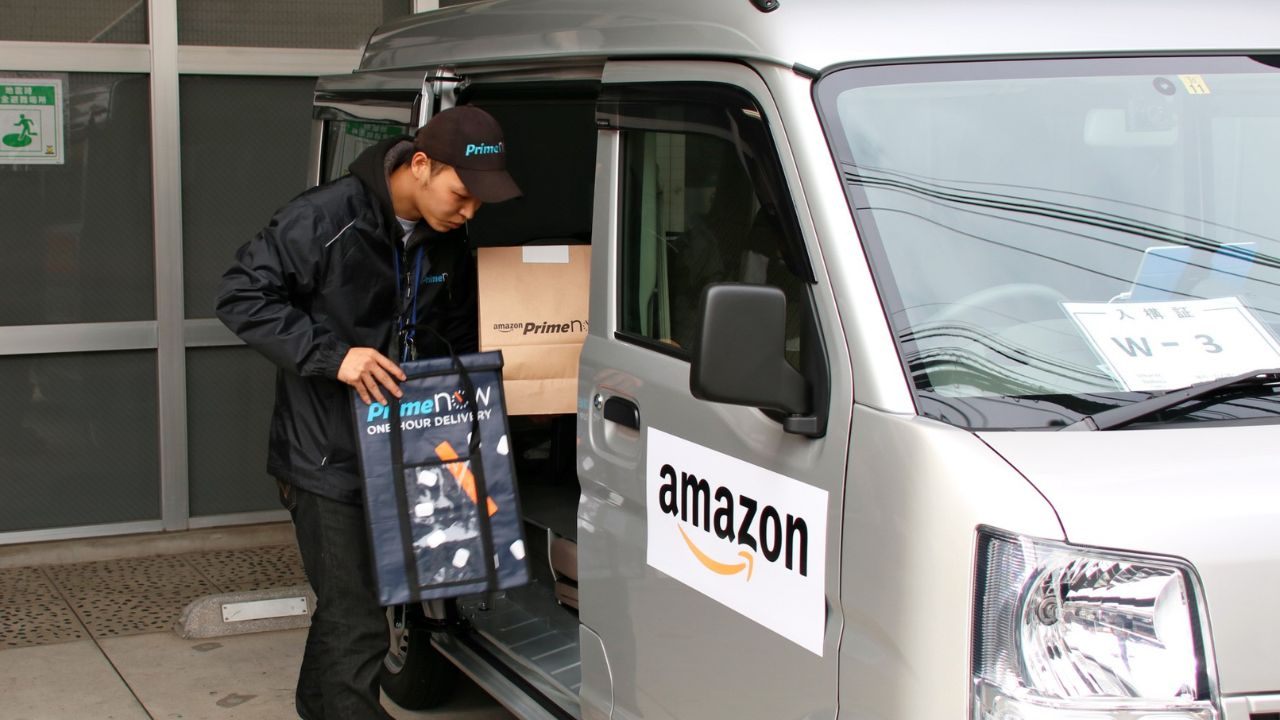
Knowing where to submit applications is critical for faster progress. Amazon logistics roles in Japan are advertised through official platforms, job boards, and staffing partners.
Using verified application channels reduces confusion and response delays. Many applicants lose time by applying through unofficial listings.
This section outlines specific, active sources for current openings. Using more than one source increases visibility and callback chances.
Official Amazon Hiring Platforms in Japan
The most reliable source is Amazon’s official Japanese recruitment website. This platform lists fulfillment center and delivery station roles nationwide.
Applicants can filter openings by prefecture, shift schedule, and contract length. Applications submitted here are processed through Amazon’s internal hiring system.
Listings clearly show hourly wages and expected work hours. This portal should always be checked before exploring other options.
Major Job Boards With Amazon Logistics Listings
Japanese job boards frequently publish Amazon logistics roles for local job seekers. Indeed Japan, TownWork, and MyNavi often repost warehouse openings tied to Amazon facilities.
Searches using terms like “Amazon 倉庫 千葉” or “Amazon 物流 大阪” refine results efficiently. Job boards allow quick comparison of nearby locations and shifts. Some postings redirect applicants to official portals. Always confirm details during screening.
Staffing and Dispatch Agencies Supporting Amazon Sites
In high-demand regions, Amazon partners with staffing agencies to fill logistics roles quickly. Agencies such as SBS Staff advertise warehouse positions connected to Amazon operations.
These listings often emphasize rapid onboarding and flexible contracts. Agency hiring routes can shorten the time before starting work. Pay and benefits may vary slightly from direct roles. Always confirm who your employer will be.
What the Warehouse Environment Is Like Day to Day
Understanding warehouse conditions helps applicants prepare realistically. Amazon logistics facilities operate using standardized workflows designed for safety and efficiency.
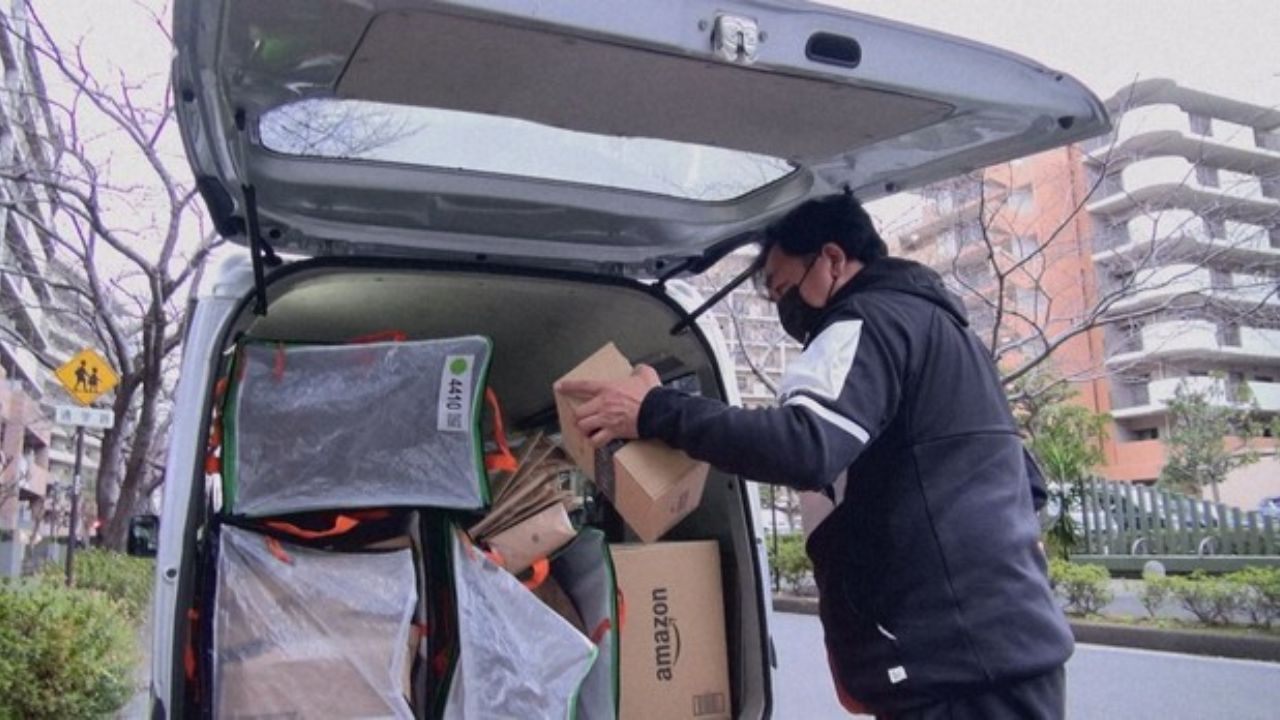
Daily work prioritizes consistency rather than speed or improvisation. New hires follow step-by-step task instructions to reduce errors.
This section explains work zones, pacing, and expectations. Awareness supports smoother adjustment and better early performance.
Common Work Zones Inside Logistics Facilities
Fulfillment centers are divided into inbound, picking, packing, and shipping zones. Inbound associates receive, scan, and organize arriving inventory. Picking roles involves locating items using handheld scanners and digital prompts.
Packing focuses on accuracy, labeling, and preparing boxes correctly. Each zone follows documented operational procedures without deviation. Associates usually remain in one zone per shift.
Shift Structure and Daily Work Pace
Shifts are scheduled in fixed blocks such as morning, evening, or overnight. Break times are predetermined and monitored consistently by supervisors. Performance assessments focus on accuracy, task completion, and compliance.
Meeting quality standards matters more than working quickly. Standing and walking are required throughout most shifts. Supervisors closely observe consistency during early training periods.
Safety Rules and Training Expectations
Safety training is mandatory before performing operational tasks. New hires learn lifting techniques, equipment handling, and emergency procedures. Protective equipment is provided when required by role.
Safety compliance is enforced across all logistics facilities. Daily briefings reinforce correct behavior. Following rules protects workers and maintains operational stability.
Pay and Benefits to Review Before Accepting a Role
Compensation depends on location, shift timing, and hiring route. While Amazon sets baseline standards, benefits may vary by site.
Reviewing offer details carefully prevents misunderstandings after hiring. This section explains pay structures, allowances, and working conditions.
Knowing what to confirm helps applicants compare roles fairly. A clear understanding improves long-term satisfaction.
Base Pay, Shift Premiums, and Overtime Options
Hourly pay varies by prefecture and assigned shift schedule. Night, early morning, and holiday shifts often include premium rates. Overtime may be available during peak demand periods.
Premium pay can significantly increase total monthly earnings. Ask how overtime approval works and how hours are tracked. Confirm pay cycles before acceptance.
Transportation Support and Onsite Facilities
Some logistics sites provide transportation allowances or shuttle services. Other facilities require employees to manage their own commuting. On-site amenities typically include lockers, break rooms, and rest areas.
Commute practicality strongly affects long-term job sustainability. Confirm parking, bicycle access, or transit options early. These factors often matter more than base wages.
Schedule Stability and Contract Conditions
Schedules may be released weekly or monthly, depending on site management. Fixed schedules provide predictability, while flexible contracts allow changes.
Schedule stability varies by fulfillment center and contract type. Ask how shift swaps are handled. Written confirmation helps avoid confusion after hiring.
Entry Criteria and Recruitment Process in Japan
Amazon logistics roles are accessible but require basic eligibility and preparation. Recruiters prioritize availability, readiness, and procedural awareness.
Preparation significantly speeds up screening and approval decisions. This section explains entry criteria and the recruitment timeline. Understanding steps reduces stress and delays. Organized applicants move through hiring stages more smoothly.
Work Eligibility and Availability Requirements
Applicants must have valid permission to work legally in Japan. Availability must align precisely with posted shift schedules. Long or unreliable commutes may reduce selection chances significantly.
Clear availability builds recruiter confidence during screening. Applicants should state restrictions honestly in their applications. Transparency prevents wasted interviews and delays in onboarding.
Application Review and Interview Process
After submission, candidates usually receive automated confirmation messages. Initial screening checks eligibility and schedule compatibility. Interviews are brief and practical, focusing on rules and availability.
Fast responses often shorten the overall hiring timeline. Identity verification follows interview approval. Clear communication helps speed progression.
First Week Training and Early Performance
Initial shifts focus on training, observation, and guided task execution. Supervisors monitor accuracy, compliance, and adjustment closely. Feedback is frequent and direct during the early days.
Early consistency influences future scheduling and task assignments. Improvement is expected rather than perfection. Asking questions helps build confidence and competence.
Conclusion
Amazon logistics roles in Japan offer structured employment with clearly defined expectations. Applying through official portals and verified listings improves success rates.
Preparation and responsiveness remain critical hiring factors. Clear availability and eligibility speed recruitment timelines. Amazon Japan logistics jobs can provide stable, predictable employment for well-prepared candidates seeking operational work.