Japan’s job market continues to attract people looking for stable, practical work with clear entry paths. Cleaning services in Japan are often considered by job seekers who want predictable schedules and consistent demand.
Interest in cleaning services in Japan has grown as offices, retail spaces, and public facilities maintain strict hygiene standards. These roles are available across cities and regional areas, making them accessible to many applicants.
Hiring processes are usually straightforward and skill-focused. This article explains where to apply, what employers expect, and how to navigate the application process.

Where To Apply for Cleaning Services Jobs in Japan
Knowing where to apply is the first step toward getting hired efficiently. Cleaning jobs in Japan are advertised through public services, private companies, and specialized job platforms.
Using reliable application channels helps avoid wasted time and missed opportunities. Many applicants struggle because they rely on informal referrals alone.
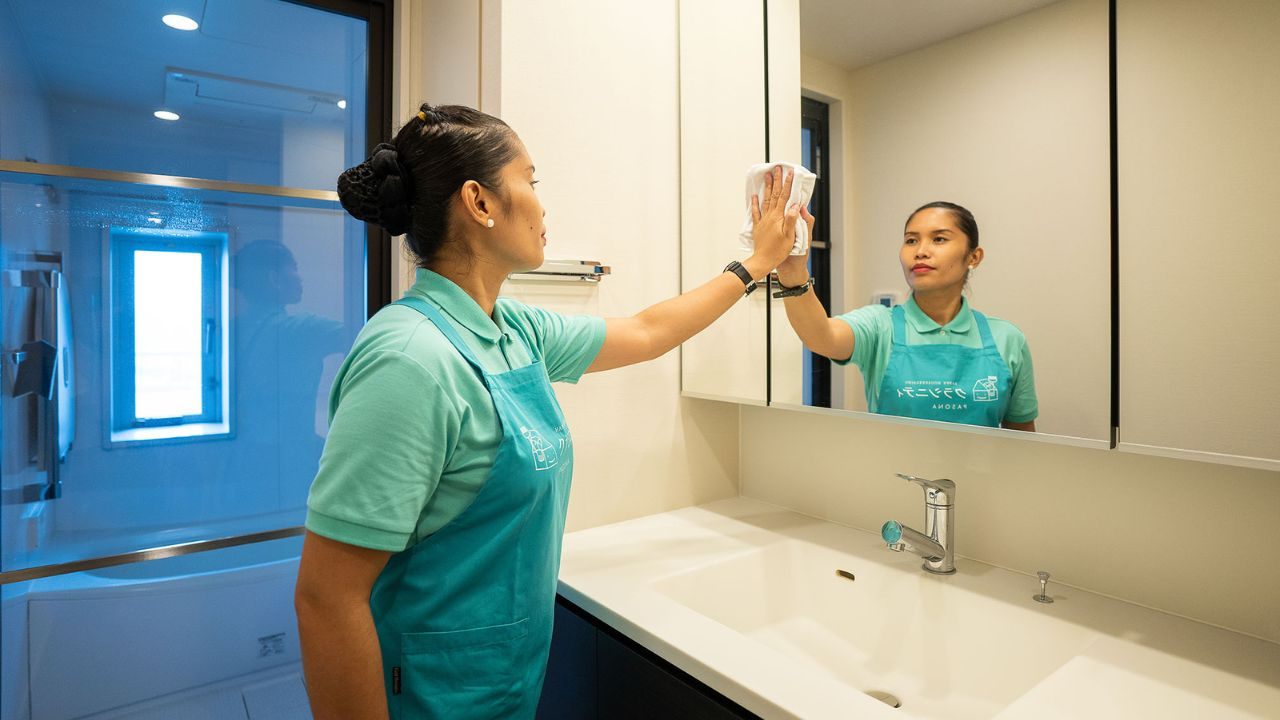
This section outlines concrete places where cleaning roles are actively posted. Using more than one channel improves your chances of receiving responses.
Hello Work and Local Public Employment Offices
Hello Work is Japan’s public employment service and a major source of cleaning job listings. Local offices list positions by municipality, shift type, and contract length.
Applicants can search under categories such as building cleaning or facility maintenance. Hello Work listings are verified and updated regularly.
Staff can also explain contract terms, insurance coverage, and basic benefits. This route is especially useful for long-term or stable positions.
Direct Company Recruitment Pages
Large cleaning service providers often recruit directly through their own websites. Companies such as Duskin, AEON Delight, and Tokyu Facilities maintain dedicated recruitment pages.
These listings usually describe work locations, schedules, and training processes clearly. Applying directly to employers can speed up the screening process.
Many companies accept online applications without prior cleaning experience. Checking these pages regularly improves visibility to new openings.
Job Platforms Friendly to Non Native Applicants
Several job platforms specialize in shift-based and entry-level roles. Sites such as GaijinPot Jobs, Jobs in Japan, and YOLO Japan regularly post cleaning positions.
Listings often include information about language expectations and visa compatibility. These platforms make job conditions easier to compare at a glance.
Applications are usually simple and mobile-friendly. They are useful for part-time or flexible work arrangements.
Employment Standards You Should Expect in Cleaning Roles
Understanding employment standards helps set realistic expectations before accepting an offer.
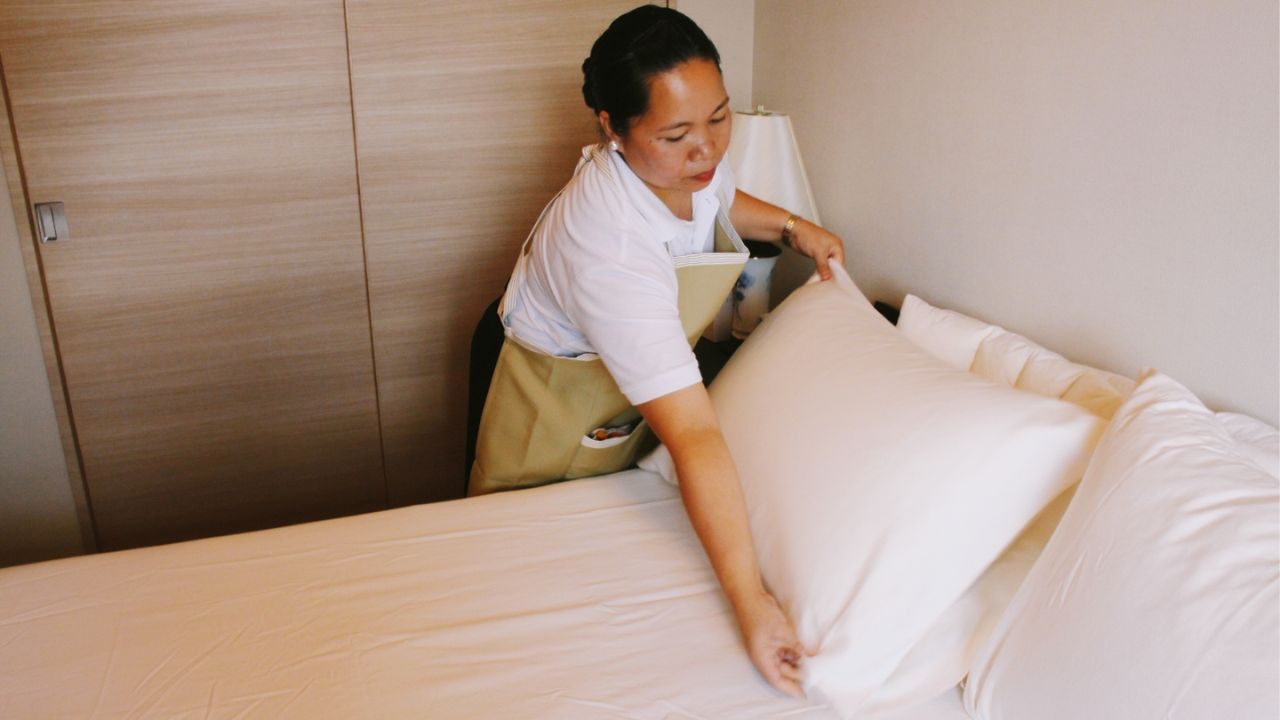
Cleaning jobs in Japan follow structured routines and clearly defined rules. Employers prioritize reliability and consistency over speed. Most workplaces rely on checklists to maintain quality and hygiene.
This section explains schedules, supervision, and workplace conduct. Knowing these standards reduces misunderstandings after hiring.
Shift Structure and Daily Schedules
Cleaning shifts vary depending on the type of facility being serviced. Office buildings often require early morning or evening work, while hotels and hospitals operate throughout the day.
Shifts are usually fixed and posted in advance. Punctuality is strictly enforced across most worksites. Break times are scheduled and monitored. Attendance consistency is a key factor in performance evaluation.
Training, Checklists, and Supervision
Most employers provide basic training before independent work begins. New hires learn cleaning methods, tool usage, and area-specific procedures. Supervisors rely on task checklists to ensure work is completed correctly.
Quality control is built into daily routines rather than occasional reviews. Feedback is usually direct and practical. Following instructions closely is essential for continued scheduling.
Safety Rules and Workplace Conduct
Cleaning roles often involve equipment, chemicals, and waste handling. Employers provide safety guidelines and protective gear when required. Workers are expected to follow disposal and hygiene rules carefully.
Safety compliance is a non-negotiable workplace expectation. Reporting hazards promptly is encouraged. This protects both staff and facility users.
Benefits and Work Conditions to Review Before Accepting
Benefits vary depending on employer, location, and contract type. While many cleaning roles are hourly, work conditions can differ significantly.
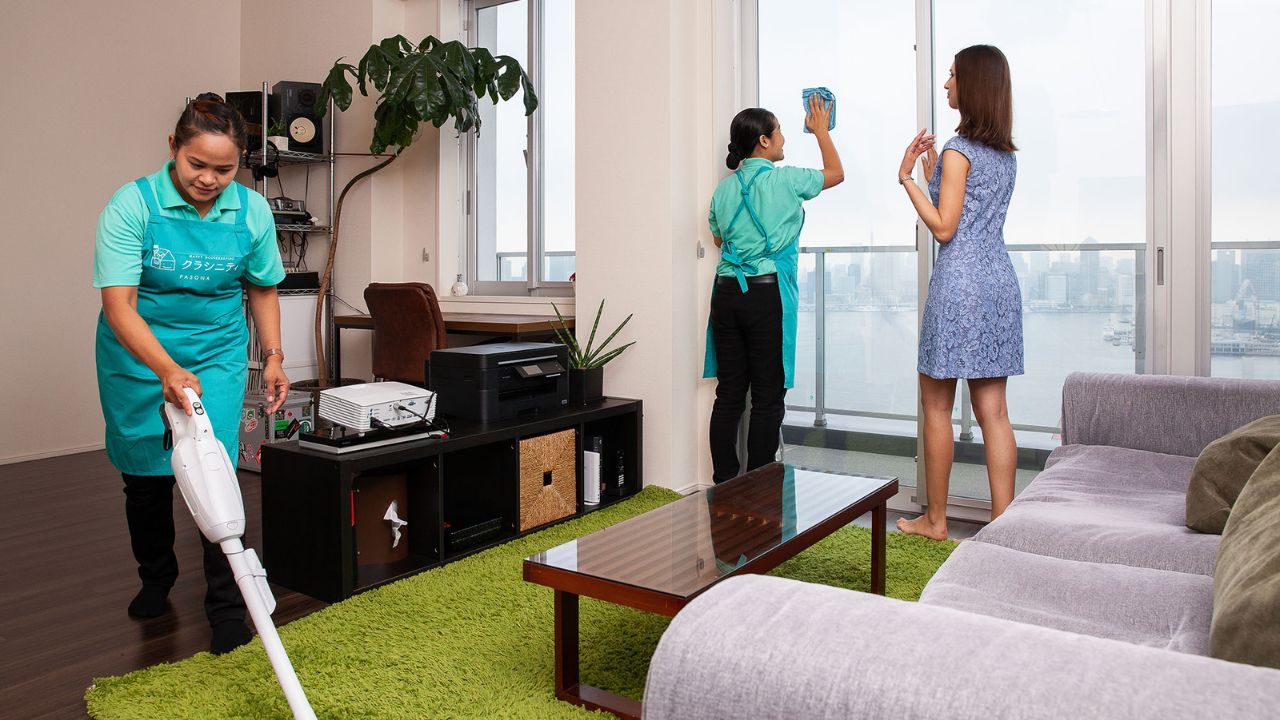
Reviewing work conditions carefully helps applicants choose better offers. This section outlines common benefits and what should be confirmed early. A clear understanding supports long-term job satisfaction.
Pay Structure and Allowances
Hourly wages depend on region, shift timing, and the type of facility being cleaned. Early morning, late night, or holiday shifts often offer higher rates. Some employers provide small bonuses tied to consistent attendance or long-term placement.
Clear wage breakdowns help applicants understand real earning potential. Payment schedules and overtime rules should be discussed early. Transparency reduces the risk of later disputes.
Transportation Support and Equipment Provided
Many cleaning employers offer partial transportation reimbursement, especially for early morning or late evening shifts. Other companies expect workers to cover commuting costs themselves, which can affect overall earnings.
Uniforms, tools, and cleaning supplies are usually provided on site, but this is not guaranteed everywhere. Understanding exactly what the employer provides helps assess the true value of an offer.
Applicants should clarify these points during interviews or before signing contracts. Small differences in support can add up over time.
Contracts, Insurance, and Job Stability
Employment contracts in cleaning services range from short-term assignments to renewable long-term agreements. Longer contracts often include enrollment in social insurance programs, while part-time roles may not.
Employers usually explain renewal conditions during hiring, but practices vary. Contract structure plays a major role in income predictability and job security.
Applicants benefit from asking how renewals are handled. Written confirmation helps reduce uncertainty after work begins.
How To Apply for Cleaning Services in Japan
Applying successfully requires preparation and attention to detail. Employers value clear communication and accurate information.

A simple and organized approach improves hiring outcomes. This section provides a practical guide from job search to the first day. Following these steps helps reduce delays.
Preparing Your Resume and Availability
Resumes for cleaning roles are typically straightforward and focused on practical information. Employers look for clear details about availability, preferred shifts, and potential start dates.
Japanese-language resumes are common, though bilingual formats are often accepted. Well-organized availability information speeds up screening decisions. Unnecessary personal details rarely improve outcomes. Accuracy and clarity matter most.
Interview Process and Common Questions
Interviews for cleaning positions are usually brief and centered on reliability. Employers often ask about previous experience, schedule flexibility, and comfort with routine tasks. Clear and practical responses are generally preferred.
Consistency and honesty shape hiring decisions more than polished answers. Some employers may request a short trial shift. Applicants should ask questions if expectations are unclear.
First Week Expectations and Retention Tips
The first week of work typically involves supervised tasks and gradual adjustment. Employers closely monitor punctuality, task accuracy, and adherence to instructions. Feedback is often given early to correct small issues.
Early performance strongly influences long-term scheduling decisions. Demonstrating willingness to learn builds trust quickly. This initial period often sets the tone for future assignments.
Conclusion
Cleaning jobs remain a dependable entry point into Japan’s workforce. Applying through public services, company recruitment pages, and specialized platforms improves access to opportunities. Understanding employment standards helps applicants prepare realistically.
Careful review of benefits and contracts leads to better long-term decisions. Clear applications and open communication speed up hiring timelines. Cleaning services in Japan offer steady opportunities for those comfortable with structured routines.