You can find flexible earning opportunities through food delivery jobs across Europe.
This guide shows you what roles are available, what requirements you must meet, and how to get started quickly.
You will understand the work process and the steps needed to begin your application.
Overview of Food Delivery Work in Europe
Food delivery remains strong across Europe because millions rely on fast ordering and flexible services.
You see different rules, earning structures, and platform options depending on the country. These factors affect how you work and what you earn.
- High Demand Across Major Cities – Major European cities continue to see high delivery demand due to busy lifestyles and widespread use of delivery apps.
- Flexible Work Structure – Most platforms allow you to choose when you work, giving you control over your hours and availability.
- Varied Pay Rates – Earnings differ by country and city, with higher pay usually seen in Western Europe.
- Platform Diversity – You can work with multiple apps, including Deliveroo, Uber Eats, Glovo, Wolt, and Just Eat.
- Vehicle Options – You can deliver by bike, scooter, e-bike, or car, depending on local rules and platform requirements.
- Regulatory Differences – Some countries treat riders as employees, while others classify them as independent contractors, which affects benefits and taxes.
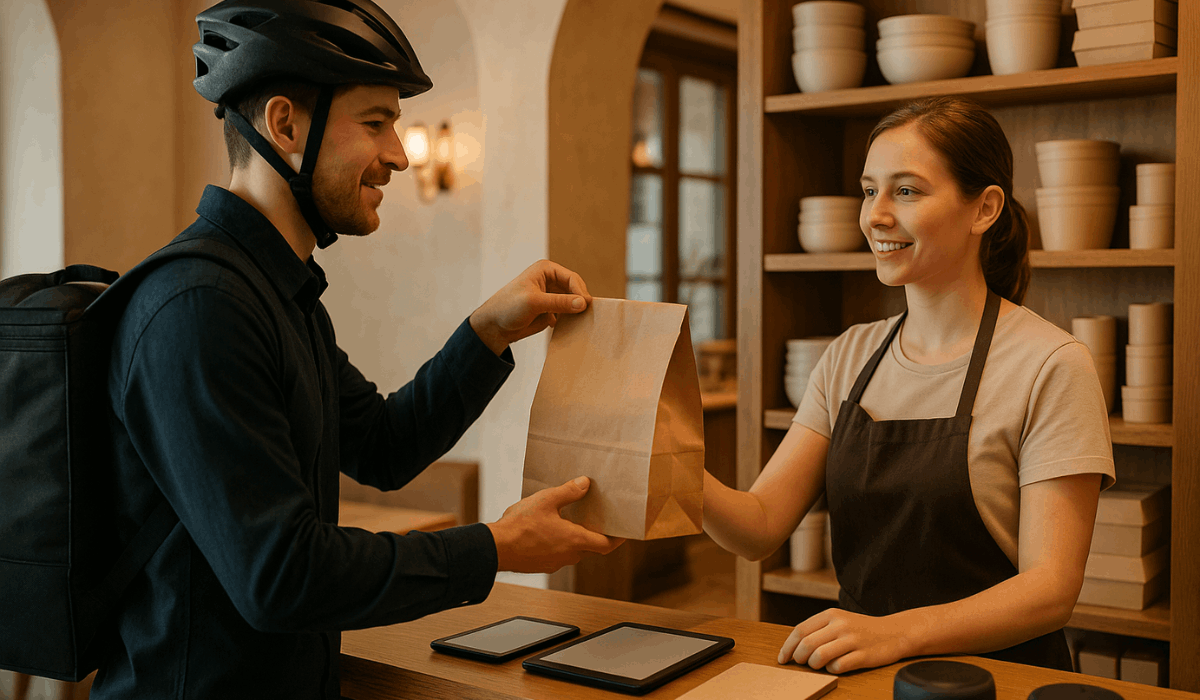
Popular Job Types
You will find different roles in the food delivery market across Europe. Each one fits a specific need and skill level.
These options help you choose the job that matches your pace and schedule.
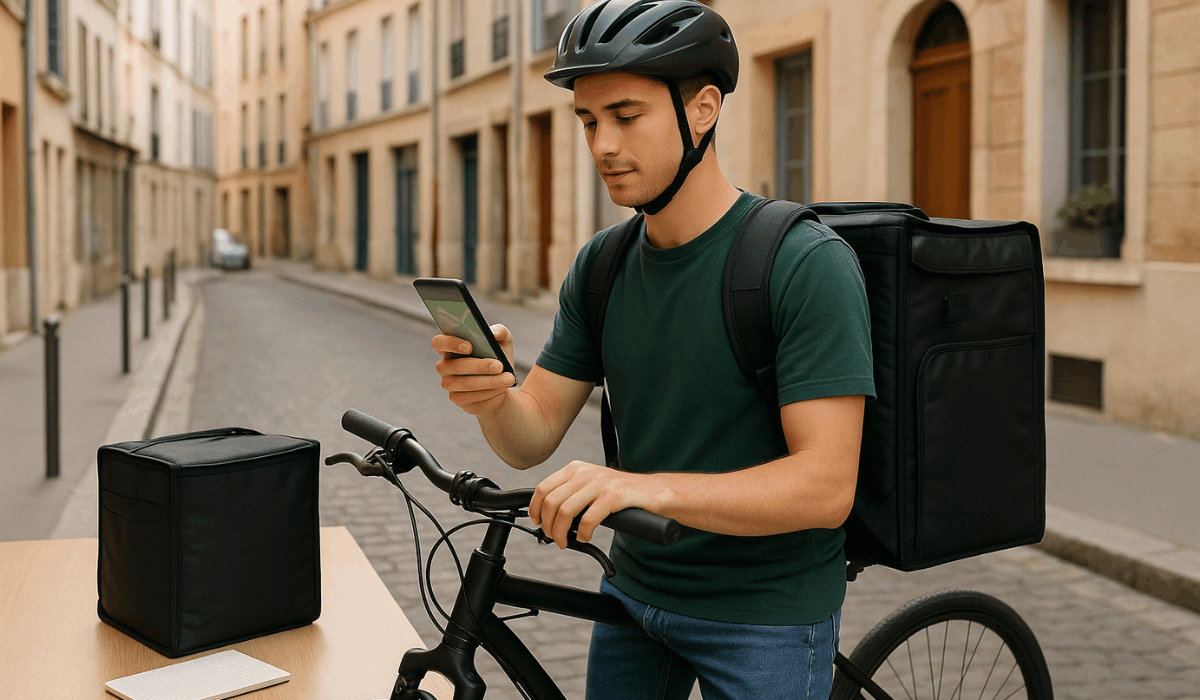
- Bike Courier – You deliver meals using a bicycle in busy urban areas. Many platforms prefer this because it is fast and low-cost.
- Motorbike or Scooter Courier – You cover longer distances and deliver more orders. This is common in cities with wider delivery zones.
- Car Delivery Driver – You handle bigger routes and transport larger orders. This works well for suburban deliveries.
- E-Bike Delivery Rider – You use electric bikes to move faster without heavy physical effort. Many companies support this option.
- Walker Delivery – You deliver within small zones on foot. This is used in dense areas and during peak hours.
Basic Requirements for Delivery Jobs
Most companies in Europe follow similar requirements for delivery applicants. These help ensure safety and compliance with local regulations.
- Minimum age (usually 18+) – Companies require employees to be of legal working age.
- Valid ID or residence permit – Needed for onboarding and payments.
- Smartphone with internet – Required for using delivery apps.
- Vehicle documents – Applies to motorbike or car deliveries.
- Clean driving record – Some companies require background checks.
- Bank account – For receiving weekly or monthly payouts.
Country-Specific Notes
Delivery work regulations vary across Europe, especially regarding insurance, vehicle rules, and worker classification.
Here are the key points to consider when applying in different countries.
- United Kingdom – Many riders work as independent contractors; scooter insurance is strictly enforced.
- Germany – Bike couriers are very common; some companies provide equipment and e-bikes.
- France – Platforms must follow stricter labor rules; health and safety coverage is emphasized.
- Spain – The “Rider Law’’ classifies many couriers as employees instead of freelancers.
- Italy – Scooters dominate urban deliveries; some cities require reflective gear and helmets by law.
- Netherlands – Bicycles and e-bikes are the primary delivery vehicles; bike lanes make routes more efficient.
- Belgium – Workers may need a small self-employment license depending on the platform.
Most Popular Delivery Platforms in Europe
You will find many delivery apps operating across Europe. These platforms offer flexible work and fast onboarding.
You can choose based on location, pay structure, and vehicle support.
- Uber Eats – Available in most major EU cities with steady order flow.
- Deliveroo – Strong in the UK, France, Belgium, and Italy with rider incentives.
- Glovo – Popular in Spain and Eastern Europe, covering food and general goods.
- Just Eat – Operates widely and uses both employed couriers and contractors.
- Wolt – Strong presence in Nordic countries, known for efficient routing.
- Bolt Food – Expanding in Central and Eastern Europe with competitive bonuses.
- Stuart – Focuses on scheduled deliveries and retail drops in urban areas.
Salary and Earnings Breakdown
Delivery earnings across Europe differ based on local wages, platform policies, and how often you work.
Understanding these ranges helps applicants set realistic expectations. Below is a simple breakdown of what drivers typically earn.
- Hourly Earnings – Most drivers earn €8–€18 per hour, depending on city demand and platform incentives.
- Per-Delivery Rates – Apps usually pay €2–€6 per drop, with higher rates during peak hours.
- Tips – You can earn an extra €1–€5 per order in cities with a stronger tipping culture.
- Weekly Income – Many part-time riders make €150–€350 weekly, while full-time workers can reach €500–€900 depending on efficiency.
- Bonuses and Surge Pay – Apps offer surge fees, peak boosts, and completion bonuses during high demand or bad weather.
- Vehicle Costs – You cover fuel, repairs, insurance, or e-bike rentals, which can reduce your final earnings.
What Affects Your Earnings
Your earnings depend on several factors that influence how much you make per hour or per shift.
Knowing these factors helps you plan better and choose the right platform. These points apply across most European countries.
- Location Demand – Busy urban zones offer more orders than small towns.
- Peak Hours – Lunch and dinner periods usually pay higher rates.
- Weather Conditions – Rainy or cold weather often triggers extra incentives.
- Vehicle Type – Bikes may earn less than scooters or cars due to delivery restrictions.
- Order Distance – Longer trips add mileage fees and extra pay.
- Platform Bonuses – Some apps give surge pay, weekly challenges, or completion bonuses.
Pros and Cons of Delivery Work
Delivery work in Europe offers flexibility, but it also comes with practical challenges.
You need to understand both sides before deciding to enter the field. Here are the key pros and cons that affect most workers.
Pros
- Flexible schedules – You choose when and how long you work.
- Easy entry – Most platforms accept beginners with minimal requirements.
- Fast onboarding – You can start earning quickly after approval.
- Various vehicle options – Bikes, scooters, and cars are usually accepted.
- Extra incentives – Peak-hour boosts and bonuses increase your earnings.
Cons
- High competition – Popular cities often have too many riders.
- Earnings vary – Income depends heavily on demand and location.
- Weather challenges – Rain, wind, and cold can make work difficult.
- Vehicle costs – You cover fuel, maintenance, and repairs.
- Physical demands – Long hours and heavy loads can be tiring.
How to Apply to Major Platforms
You can apply to Europe’s leading delivery apps using simple online steps.
Each platform uses a digital process that takes only a few minutes to complete. Make sure your documents are ready before you begin.
- Create an Account – Sign up on the platform’s website or app using your email and phone number.
- Upload Required Documents – Submit your ID, driver’s license (if using a vehicle), and proof of address.
- Choose Your Vehicle Type – Select whether you will deliver by bike, scooter, motorbike, e-bike, or car.
- Complete the Background Check – Some platforms run basic checks for safety and identity verification.
- Watch the Onboarding Videos – Training modules explain app usage, delivery steps, and safety guidelines.
- Activate Your Account – Once approved, log in to start accepting orders.
To Sum Up
Food delivery jobs in Europe give you flexible earning opportunities across major cities and smaller regions.
You can choose a platform, meet the requirements, and start working once you understand how pay, demand, and local rules affect your income.
If you want to begin now, review the platforms in your country and submit your application today.