Finding stable work can feel overwhelming, but hospitality in Japan offers clear entry paths for motivated applicants. Hospitality in Japan values reliability, teamwork, and consistent guest service more than flashy credentials.
Hospitality in Japan also provides roles across cities, resorts, and business districts year round.
This guide explains where to find hotel jobs, what positions are available, and how language expectations work. It also covers benefits, requirements, and application steps. The goal is to help you move from searching to applying with confidence.

Where To Find Hospitality Jobs in Japan
Hospitality employers in Japan use several hiring channels, and relying on only one limits your chances.
Hotels post roles on large job boards, industry platforms, and their own career pages. Using multiple search channels improves both speed and job quality.

Some listings target international applicants, while others focus on local hiring needs. Knowing where each type appears helps you prioritize your time. This section explains the most reliable places to look and how to use them effectively.
English-Friendly and Bilingual Job Platforms
Some job platforms publish listings that already expect English use or mixed-language teams. GaijinPot Jobs frequently lists hotel, resort, and restaurant roles aimed at foreign residents.
CareerCross and Daijob list hospitality positions with clearly stated language requirements. YOLO JAPAN is often used by hotels that hire non-Japanese staff for front desk and operations roles.
These platforms reduce language uncertainty early in the process. They are especially useful if you are still improving your Japanese or applying from abroad.
Large Japanese Job Boards With High Volume Listings
Japanese job boards provide the largest number of hospitality listings nationwide. Indeed, Japan aggregates postings from hotel chains, business hotels, and resort operators.
Rikunabi NEXT and Mynavi Tenshoku are commonly used for full-time and contract hotel roles. These platforms require basic Japanese reading ability to navigate postings accurately.
Filtering by location, job type, and department saves time. Volume is high, so applying early matters.
Hotel Group Career Pages and Direct Applications
Many hotels prefer applicants who apply directly through their official career pages. International groups like Marriott, IHG, and major domestic hotel brands post openings by location and department.
Airport hotels, resort chains, and large city properties often hire in batches through these pages. Direct applications reach hiring managers faster than job boards.
If you know your target city or brand, this approach increases response rates. Bookmarking career pages helps you apply quickly when roles open.
Hotel Staff Positions You Can Apply For
Hotels employ many departments, and each role has different expectations. Job titles can sound similar but involve very different daily responsibilities.
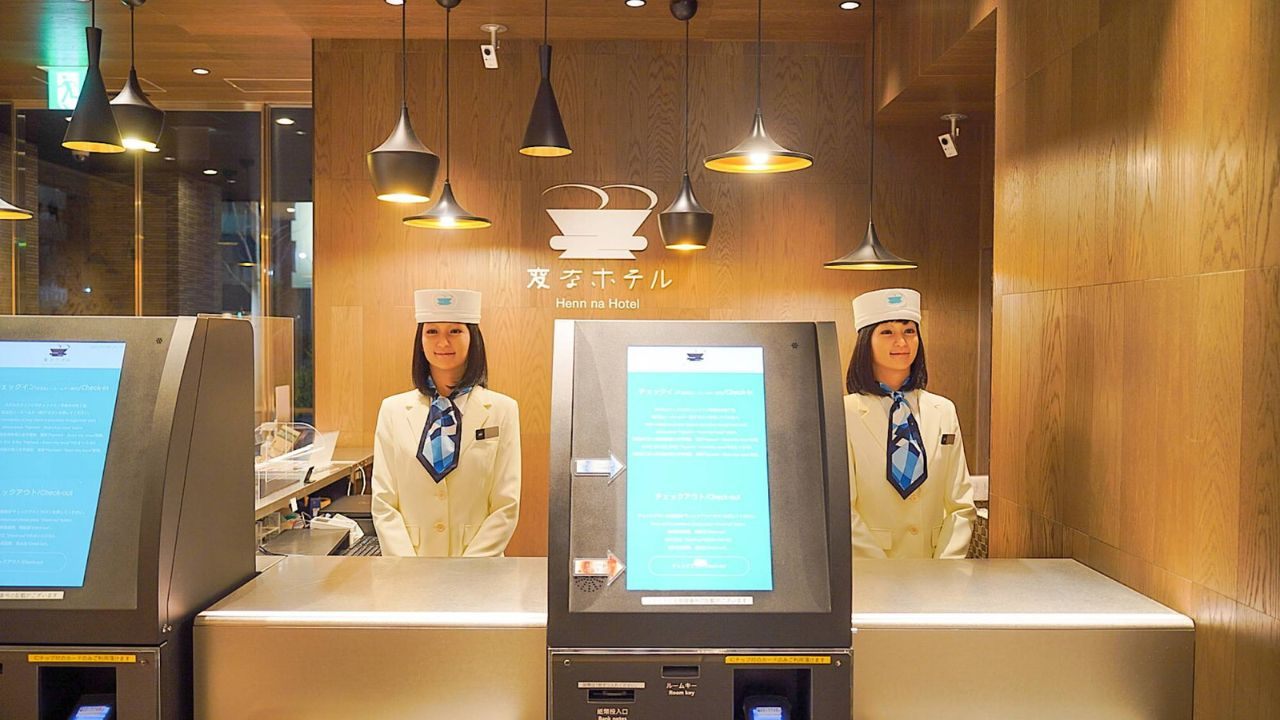
Choosing the right department improves hiring success and job satisfaction. Some roles prioritize communication, while others focus on speed and accuracy.
Understanding tasks before applying helps you answer interview questions clearly. This section explains common hotel positions and what employers look for in each.
Front Desk and Guest Services Roles
Front desk staff handle check-in, check-out, reservations, and guest questions. Guest services roles may include luggage support, complaint handling, and floor coordination.
These positions require calm communication during busy periods. Guests judge the hotel through your attitude and problem-solving.
Hotels value consistency, accuracy, and professionalism more than charm. In interviews, employers expect examples of handling stress and resolving issues without escalation.
Housekeeping and Laundry Operations
Housekeeping staff clean rooms, restock amenities, and report maintenance issues efficiently. Laundry teams manage washing, folding, and distribution across departments.
These roles are physically demanding, especially during high occupancy periods. Attention to detail directly affects guest satisfaction scores.
Japanese hotels emphasize punctuality, hygiene, and workflow discipline. Employers often provide structured training to ensure standards are met.
Food, Beverage, and Banquet Teams
Food and beverage staff work in restaurants, bars, room service, and banquet halls. Banquet teams handle event setups, guest flow, and rapid table resets. Kitchen support focuses on preparation, sanitation, and inventory checks.
Timing and coordination matter more than speed alone. Peak hours can be intense, so stamina and teamwork are essential. Employers value rule following and communication under pressure.
Language Rules for Hotel Work in Japan
Language expectations vary by hotel type, location, and department. International properties often prioritize English, especially in tourist areas.

Business hotels may require stronger Japanese for phone and email communication. Language needs are task-based, not title-based.
Employers test language ability during interviews through role play or scenario questions. Being honest about your level builds trust. This section explains how language requirements differ by role.
Japanese Level Expectations by Department
Front desk and concierge roles usually require polite Japanese and phone handling skills. Housekeeping and back-of-house roles often require basic instructions and safety vocabulary. Food service roles sit between these levels due to guest interaction.
Keigo accuracy under pressure distinguishes strong candidates. Job postings may use vague terms, so read task descriptions carefully. Explain what you can already handle confidently.
English-Friendly Hotels and Tourist Locations
Hotels in Tokyo, Osaka, Kyoto, and major resorts serve international guests daily. These properties often value English communication skills highly. English can be a hiring advantage in guest-facing roles.
Basic Japanese is still needed for staff coordination and safety procedures. Listing additional languages can strengthen your application. Employers appreciate candidates who can bridge communication gaps smoothly.
Requirements You Must Prepare Before Applying
Hotels hire faster when applicants are prepared and legally eligible. Employers check work status, availability, and schedule compatibility early.

Appearance standards and physical readiness also matter in hospitality roles. Preparation reduces delays and missed opportunities.
Having documents ready allows you to apply quickly when positions open. This section outlines what to prepare before submitting applications.
Work Eligibility and Visa Considerations
Applicants must have legal permission to work in Japan for the role they apply for. Some positions are open to residents, students with permission, or long-term visa holders. Job duties must match your visa category.
Employers will ask about status early in the process. Avoid informal offers that bypass legal requirements. Clear eligibility improves employer confidence.
Resume Standards and Supporting Documents
Japanese hospitality resumes emphasize stability, availability, and reliability. Include start date, shift flexibility, and commute details clearly. Consistency across documents builds trust during screening.
References should confirm punctuality and teamwork. Some employers request photos that reflect a professional appearance. Preparing these materials in advance speeds up applications.
How To Apply and Get Hired Faster
Successful applicants apply strategically and follow up appropriately. Hotels often interview qualified candidates quickly and close listings early.
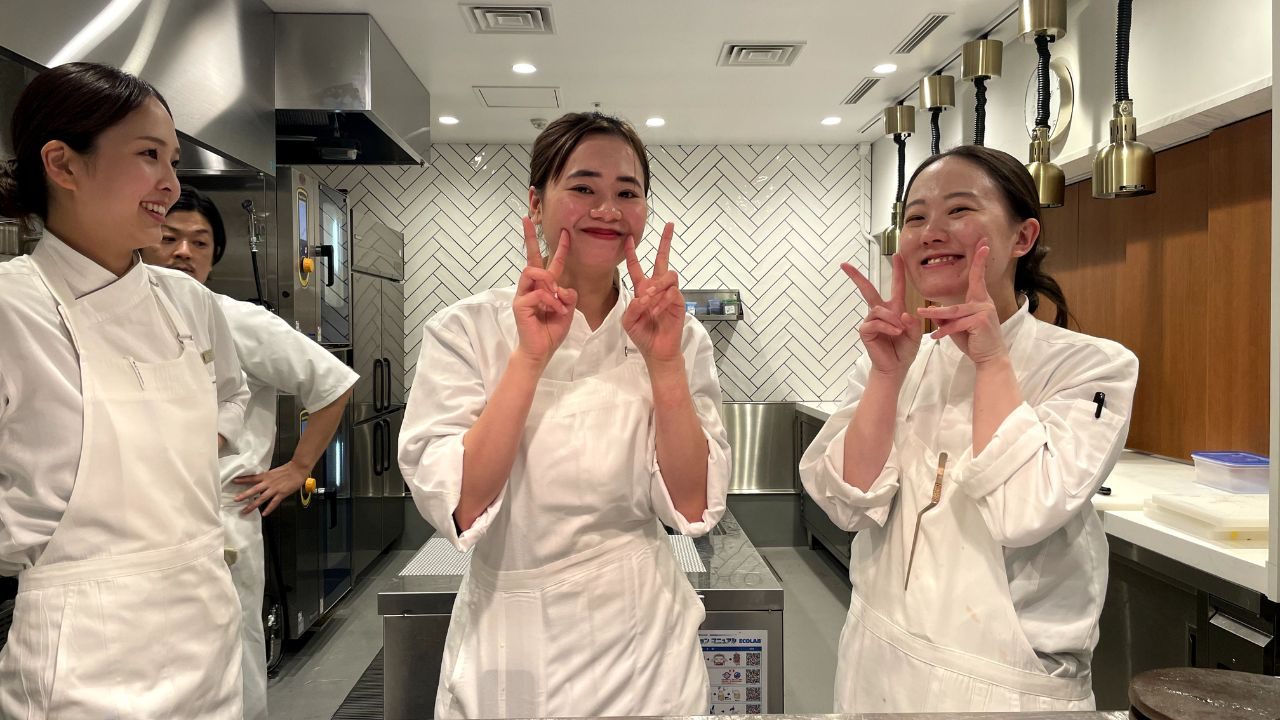
Speed and organization improve your chances significantly. Tailoring resumes by department helps hiring managers assess fit.
Preparing for interviews around teamwork and service standards matters. This section explains how to apply efficiently and perform well.
Application Steps and Follow-Up Strategy
Apply first to roles that match your skills and schedule. Include location, availability, and preferred shifts in your initial message. Clear availability speeds screening decisions.
Submit documents in the requested formats with simple file names. Follow up politely after one week if there is no response. Tracking applications prevents missed interviews.
Interview Etiquette and Trial Shifts
Hospitality interviews test punctuality, attitude, and rule awareness. Some employers include trial shifts to assess real performance. Arrive early and communicate clearly throughout the process.
Service discipline matters more than confidence alone. Expect training on manuals, safety, and reporting systems. Showing readiness to learn improves outcomes.
Conclusion
Hospitality roles offer structured entry into stable employment across Japan. Use multiple platforms to find legitimate openings and apply early. Choose roles that match your strengths and language ability.
Preparation and honesty improve hiring results. Confirm eligibility and documents before applying widely. With consistency, hospitality jobs in Japan become achievable and sustainable.