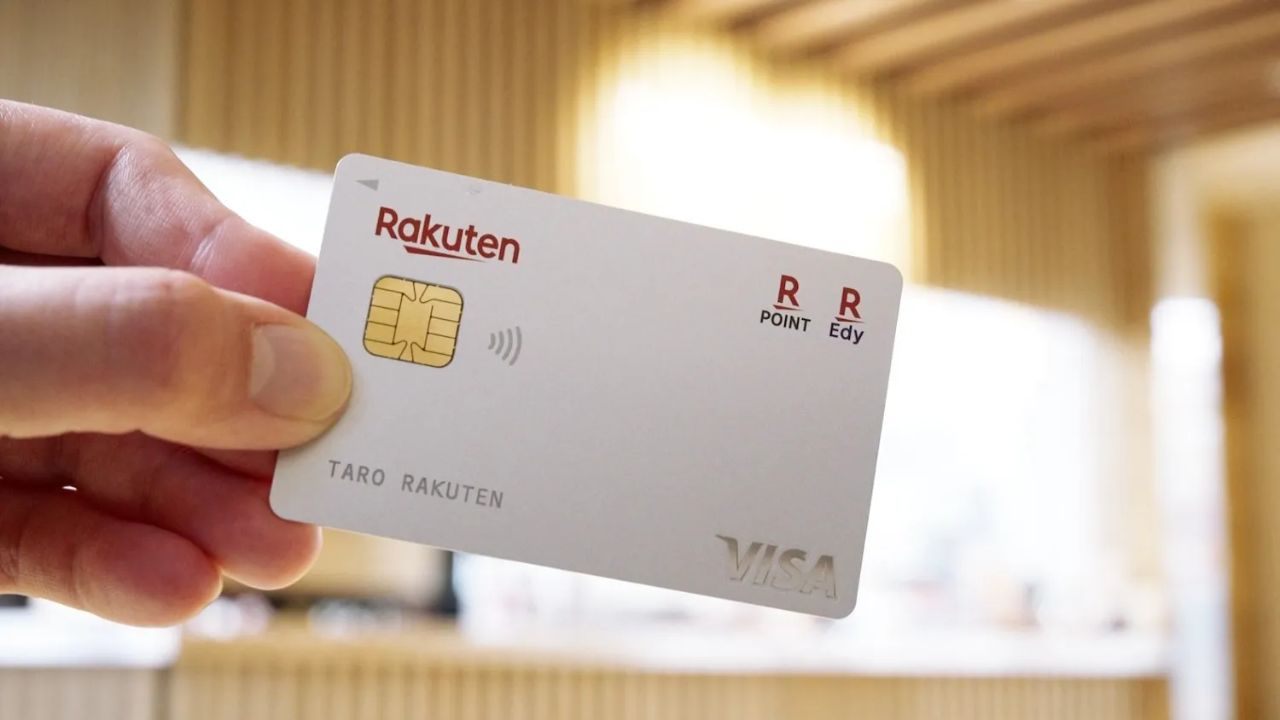
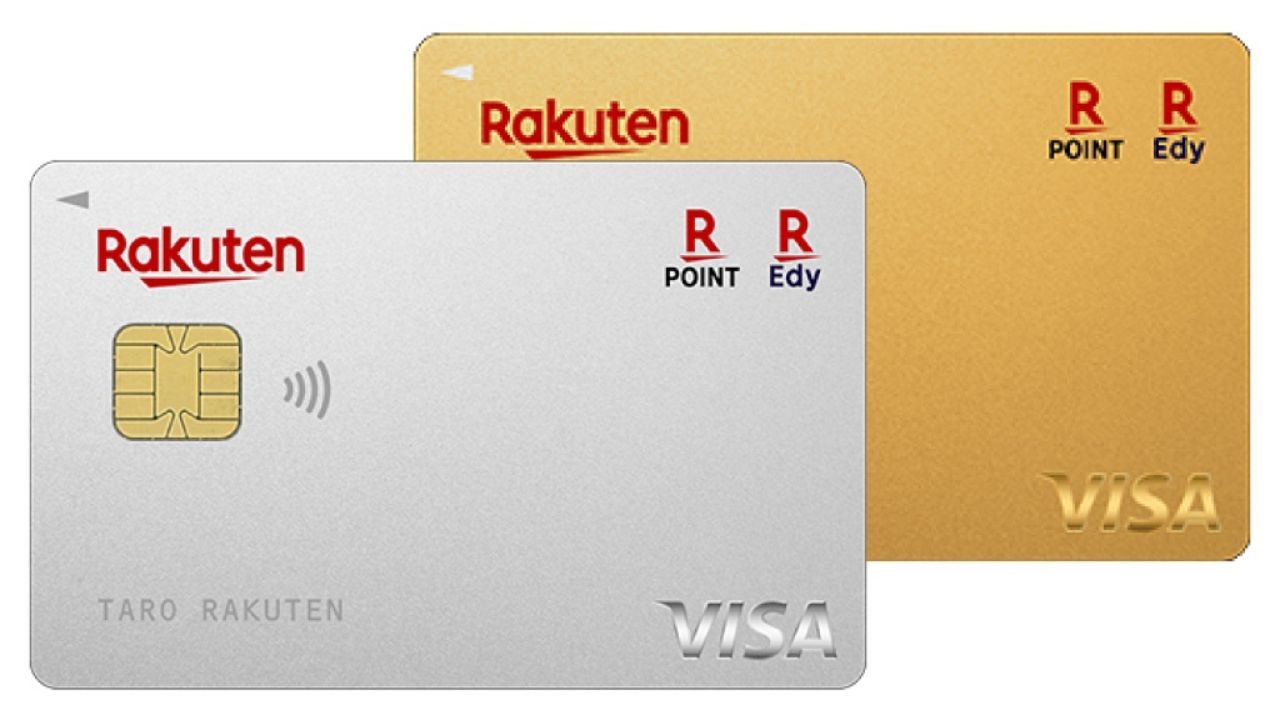
The Rakuten Card sits at the center of Japan’s everyday points ecosystem and is often treated as a default payment option. Within the first moments of comparison, the Rakuten Card stands out because of its points structure and broad member benefits.
Many consumers choose the Rakuten Card for routine spending rather than occasional use. This guide explains how points work, what benefits you actually receive, and where costs may appear.
It also covers eligibility rules and the application process in clear terms. Customer support details and the main office location are included. Use this overview to decide if the card fits your spending habits.
Rakuten Card Points Program: How You Earn and Redeem Value
You should begin with the points system because points value depends on how and where you spend.
Rakuten Card uses a standard earning rate of 1 point per 100 yen on eligible purchases. That baseline makes it easy to estimate returns on everyday spending. Value increases when your purchases align with Rakuten services and campaigns.
Some points are standard while others are bonus-based, which affects timing and expiration. Understanding that difference helps you plan purchases better. Points strategy matters more than total spend when optimizing rewards.
Base Earning Rate and Everyday Spending
For regular use, the standard earning rate remains predictable across most merchants. Rakuten Card awards 1 point for every 100 yen spent on eligible transactions.
This structure suits groceries, utilities, subscriptions, and online shopping. Certain categories may be excluded or earn differently, so checking statements is important.
Monthly reviews help you confirm that points are posted correctly. This habit also helps identify refunds or duplicate charges early. Consistency makes point tracking manageable over time.
Boosting Value With Rakuten Ichiba and SPU
Shopping through Rakuten Ichiba changes how base points and campaign bonuses are applied. Paying with the Rakuten Card can increase total multipliers under the SPU program.
Bonus points often post separately and may be time-limited. Monthly caps can limit how much bonus value you receive.
Planning large purchases around known campaigns improves results. Screenshots of campaign rules help prevent misunderstandings. Strategic use prevents overspending just to earn rewards.
Redeeming Points Without Wasting Them
Earning points is only useful when redemption habits protect their value. Allowing points to expire reduces your effective return. A practical approach is redeeming points for purchases you already planned.
This avoids unnecessary spending just to use rewards. Bonus points may have shorter validity periods than standard points. Regular monthly redemptions keep balances under control.
Always check whether point usage affects campaign eligibility. Simple redemption habits produce better long-term outcomes.
Rakuten Card Member Benefits Beyond Points
Points attract attention, but member tools shape everyday usability. Rakuten Card includes modern features that support daily spending and account control.
These benefits reduce friction when checking charges or managing payments. Digital access helps you respond quickly to unexpected activity.
Evaluating benefits based on usage frequency improves satisfaction. Small conveniences add up when used weekly. The following features matter most for routine cardholders.
Touch Payments, Wallet Features, and Convenience
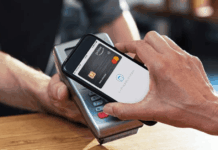
The card supports tap-to-pay functionality across supported brands and terminals. Contactless payments reduce checkout time in busy stores. This feature improves consistency for commuters and urban shoppers.
Not all merchants support tap payments, so backups remain necessary. Speed and ease improve the overall payment experience. Touch payments do not change budgeting rules. Convenience works best alongside responsible spending habits.
Online Account Tools Through Rakuten e-NAVI
Account visibility matters because control begins with awareness. Rakuten e-NAVI allows users to review statements and track payments online. Pending and posted charges appear clearly in the account view.
Reviewing activity after large purchases prevents surprises. Pre-due date checks help manage repayment choices. Subscription charges become easier to spot. Regular use of these tools reduces support calls.
Security, Alerts, and Protection
Security tools matter because fraud disrupts both finances and access. Rakuten Card provides transaction notifications that appear shortly after activity.
Early alerts help identify suspicious charges before full merchant data posts. Theft and fraud protection are included with the card.
Activating alerts reduces response time during issues. Reviewing unfamiliar charges promptly improves resolution outcomes. Awareness lowers stress during unexpected events.
Fees and Interest Rates: What You Actually Pay
Many new users focus on rewards while ignoring the cost of carrying a balance. Rakuten Card promotes a no-annual-fee structure.
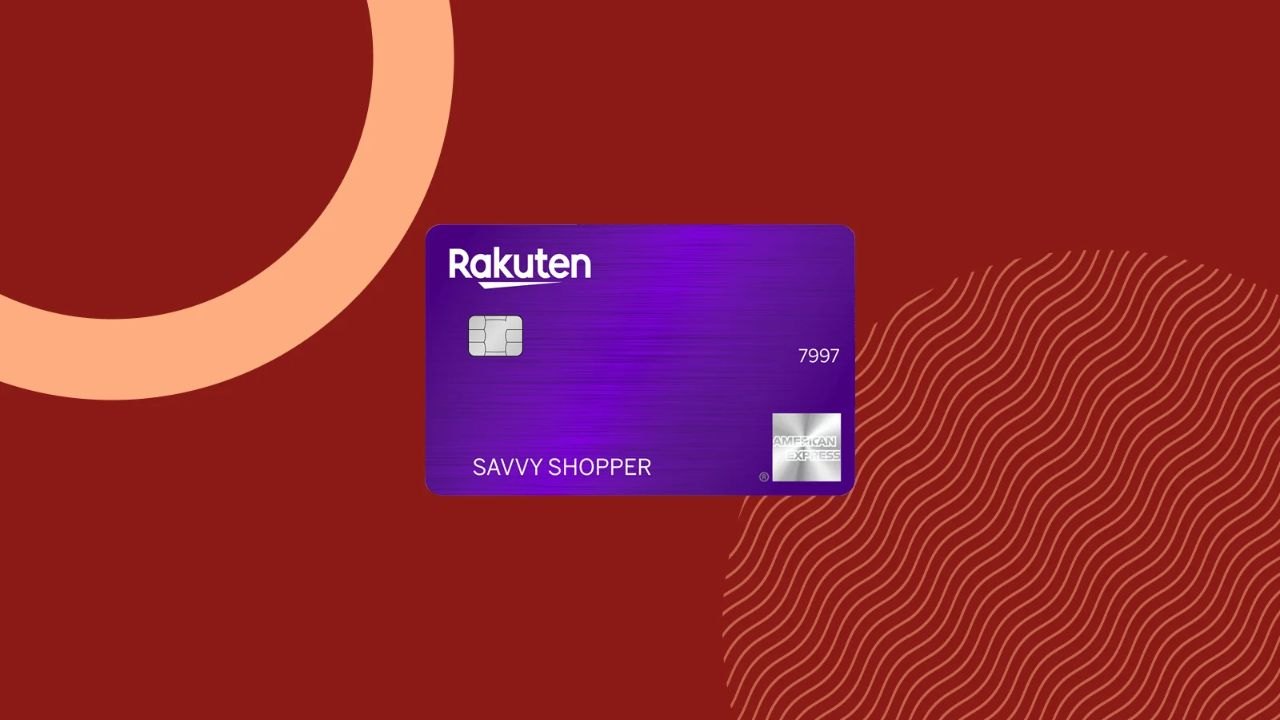
Costs appear through revolving payments, installments, or cash advances. Interest compounds when balances remain unpaid.
Even moderate rates affect long-term value. Understanding fees helps avoid reward erosion. A clear repayment plan keeps costs predictable.
Annual Fee and Optional Card Fees
The annual fee is permanently free, lowering entry barriers for applicants. This makes the card suitable for long-term ownership. Optional services may introduce additional costs.
An ETC card carries a separate annual fee. Adding extras only makes sense when they reduce other expenses. Avoid activating unused options. Cost awareness keeps the card economical.
Revolving and Installment Fees Explained
Revolving payments carry interest that can outweigh rewards. Rakuten Card lists revolving interest at 17.64 percent annually. Installment payments range from 12.25 to 15.00 percent, depending on term length.
Two payment installments are fee-free. Revolving works only with a clear payoff plan. Installments suit planned large purchases. Paying in full preserves reward value.
Cash Advance Costs and ATM Charges
Cash advances involve multiple-layered fees. Interest can reach 18.0 percent annually. Late payment penalties rise to 20.0 percent.
ATM usage adds flat withdrawal fees. These charges accumulate quickly if repayment slips. Cash advances should remain a backup option. Emergency funds reduce reliance on borrowing. Planning ahead minimizes costly situations.
Eligibility and How to Apply for a Rakuten Card in Japan
Eligibility rules matter because approval depends on accuracy and qualification.

Applicants must be residents of Japan and at least 18 years old. Overseas residents are not eligible for standard cards. Applications are completed online with identity confirmation.
Payment accounts must be prepared in advance. Matching personal data speeds approval. Preparation reduces delays during processing.
Who Can Apply and Basic Requirements
Eligibility rules eliminate wasted applications and delays. Applicants under 18 cannot apply. Overseas residency disqualifies standard applications.
Credit screening applies to all submissions. Stable contact details improve approval chances. Rakuten IDs should match the applicant information. Name consistency prevents delivery issues.
Online Application Flow and Identity Checks
Applications are submitted online, with identity verification handled at delivery. Some applicants must present photo identification in person. Address mismatches delay or block delivery.
Valid identification must show name and birthdate. Expired documents cause reprocessing. Missed deliveries may require a support contact. Accuracy ensures smoother completion.
Customer Service Hotline and Main Office Location
Saving support details prevents stress during urgent situations. The application inquiry hotline operates during standard business hours. An alternate number is available if lines are busy.
Rakuten Card headquarters is located in Minami Aoyama, Minato City, Tokyo. Official channels provide reliable guidance. Support assists with applications and billing concerns. Keeping these details accessible saves time.
Conclusion
Using Rakuten Card effectively requires balancing rewards with cost control. Paying balances in full protects point value. Bonus campaigns work best when aligned with planned purchases.
Regular statement reviews improve financial awareness. Alerts help detect issues early. Installments and revolving should follow payoff plans. Responsible use turns the card into a long-term asset.
Note: There are risks involved when applying for and using credit. Consult the bank’s terms and conditions page for more information.