If you want steady entry-level employment, working at 7-Eleven is one of the most accessible options in Japan. Many people choose to work at 7-Eleven because stores hire year-round and shifts are clearly posted.
You can apply locally, start quickly, and learn routines that transfer to other retail roles. This article explains where to find openings, what clerk duties involve, and what store managers expect.
It also covers requirements, benefits, and the application process. You will finish with a clear plan to apply.
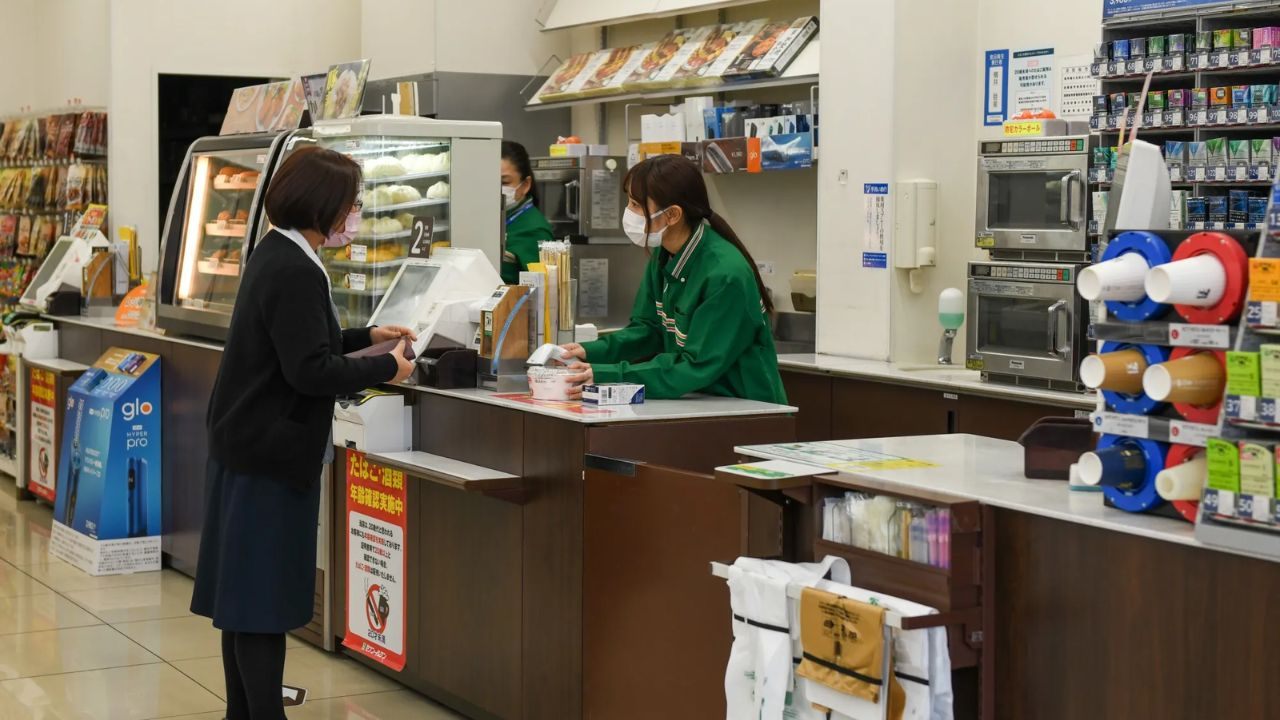
Where to Find 7-Eleven Jobs in Japan
Finding openings is easier when you use multiple sources and compare listings quickly. Each store hires locally, so the same role can vary by schedule, workload, and pay.
Your best results come from combining official listings with high-volume job boards. Start by choosing a target area and the shifts you can consistently cover.
Then save listings that match, apply early, and track responses. This section gives specific places to look and how to use each one well.
Use the Official 7-Eleven Part-Time Job Portal First
The official 7-Eleven part-time job portal is the most direct source for store-level openings. You can search by prefecture, city, station area, and shift time, which helps you filter realistically.
Listings usually show pay, hours, store location, and basic duties, so your screening is faster. Applying through the official portal routes your details to the store team directly.
That reduces delays caused by reposted listings and outdated shift information. Check frequently because stores may fill slots quickly when demand is high.
Expand with Townwork, Baitoru, and From A Navi
After the official portal, use a large part-time job site to widen coverage in your area. Townwork often lists many convenience store roles and frequently includes 7-Eleven postings by neighborhood.
Baitoru is strong for filtering by station proximity, shift blocks, and weekly hour ranges. From A Navi sometimes surfaces urgent store openings, including late shift and weekend heavy roles.
Use these sites to compare pay, shift structure, and expected weekly hours. Always confirm final terms in the interview because franchises can vary.
Check Store Posters and Local Hiring Signs
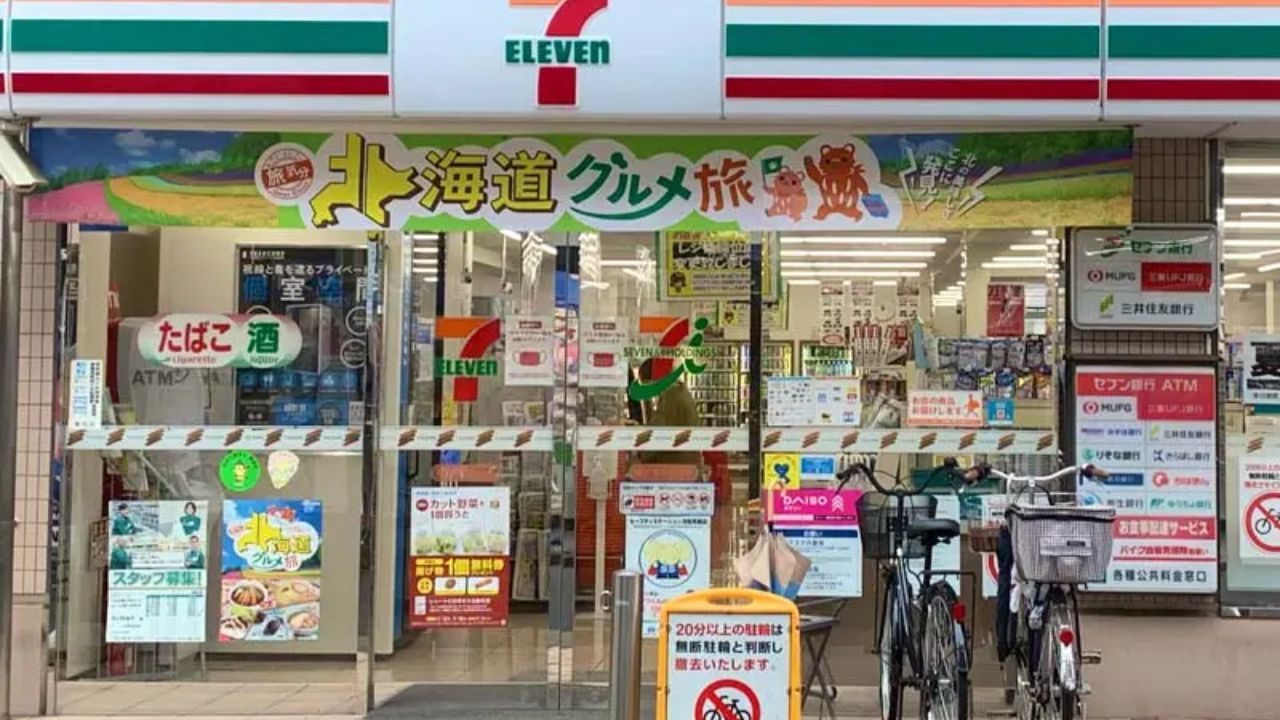
Many stores still recruit through in-store posters or small signs near the entrance. These postings are useful because they often reflect immediate staffing needs and quick start dates.
You can also find hiring notices on local bulletin boards near stations, supermarkets, and community centers.
Local signs can reveal openings that are not posted online. If you ask in person, do it during non-peak times and keep it brief. Request a contact method, then follow their preferred process.
Clerk Duties at 7-Eleven That Managers Expect
Clerk work follows clear routines, but the pace and responsibility grow as managers trust you.
New hires are trained on core tasks first, then move into broader store operations as they stabilize. Managers care most about accuracy, cleanliness, and rule compliance under pressure.
Knowing duties in advance helps you choose the right shift and answer interview questions with specifics. This section breaks down register work, floor routines, and backroom tasks. It also explains how a typical shift flows in real time.
Register Work, Payments, and Daily Transactions
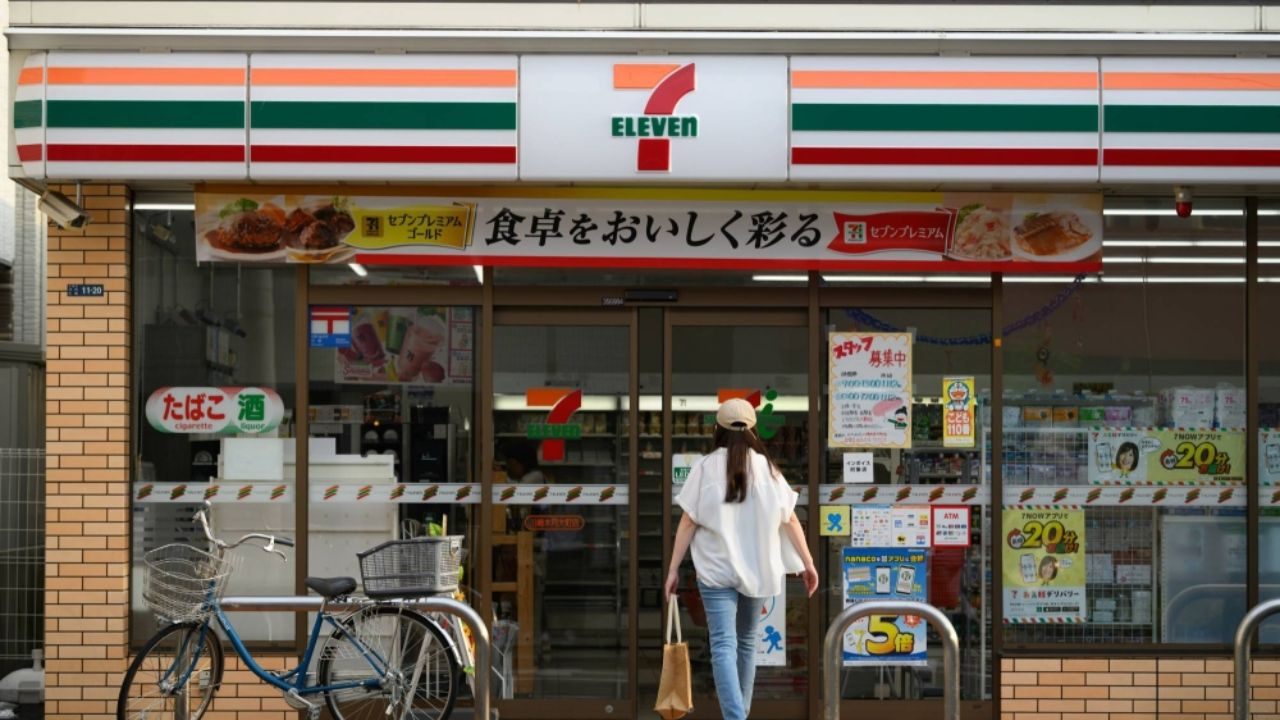
Register work includes scanning items, handling cash and cashless payments, and keeping the line moving without rushing. You will also manage receipts, bag questions, and quick customer requests at the counter.
Many stores rely on set procedures, so training emphasizes consistency over improvisation. The register is where your reliability becomes visible in minutes.
Mistakes can affect the store’s daily totals, so you learn to double-check steps. If you stay calm and follow procedures, managers notice quickly.
Stocking, Cleaning, and Product Rotation
A large part of each shift is stocking shelves, rotating products, and keeping displays tidy. Cleaning is part of the job because stores operate on strict standards, and customers notice small issues.
You will check dates, align items, and restock high turnover sections near the register. Clean routines protect the store more than speed ever will.
You may also handle waste sorting, quick spill response, and basic issue reporting. These tasks repeat daily, so detail matters more than variety.
Deliveries, Backroom Workflow, and Closing Tasks
As you gain trust, you may help receive deliveries and place items in the correct storage areas. Backroom work requires organization because space is limited and inventory must be easy to find.
Some shifts include closing routines like cleaning cycles, equipment checks, and final floor resets. Responsibility increases gradually when your earlier work stays consistent.
Managers usually assign these tasks after they see you follow instructions without skipping steps. Ask how training progresses so you know what changes after the first month.
What a Typical Shift Looks Like on Busy Days
A typical shift starts with a brief handover where staff share priorities, stock gaps, and any special tasks. You might begin on the register, then rotate into stocking or cleaning depending on customer flow.
Rush periods can spike suddenly, so you learn to switch tasks without losing accuracy. Small habits like restocking before a rush reduce stress later.
Most stores expect you to keep the floor presentable while handling the counter smoothly. Over time, you become faster because routines repeat, not because standards drop.
Store Rules, Performance Standards, and Common Mistakes
Store managers focus on stability, not just effort, because convenience stores run on tight daily operations.
The most successful staff follow procedures even when the store is busy or short-staffed. Consistency is the main trait that keeps you scheduled for more shifts.
This section explains what gets you trusted quickly and what creates problems early. It also covers how training typically works and how performance is judged. Knowing these points helps you avoid early mistakes that lead to fewer hours.
What Managers Measure During the First Two Weeks
In the first two weeks, managers watch punctuality, learning speed, and whether you follow instructions precisely.
They also check how you handle corrections and whether you repeat the same mistake after feedback. Most training is structured, so you build habits through repetition and short checklists.
Showing steady improvement matters more than being perfect on day one. Managers also notice whether you keep your station organized and stay alert. These behaviors signal that you can be trusted with larger tasks.
Mistakes That Reduce Hours or End Training Early
The most common problems are cash handling errors, skipping cleaning steps, and failing to follow procedures during rushes. Another issue is unclear availability, especially if you change your schedule without notice.
Some staff members struggle because they multitask too aggressively and miss key steps. Avoiding preventable errors protects your position more than working faster.
If you do make a mistake, report it quickly instead of trying to hide it. Managers trust staff who handle issues directly and learn from them.
How Training and Role Expansion Usually Work
Training usually starts with simple counter support, then expands into independent register operation. After that, you may add stocking, backroom handling, and closing or opening routines depending on your shift.
Managers tend to expand tasks when you show reliable attendance and consistent execution. Task growth is earned through stability, not through asking for harder work.
You can speed progress by taking notes and confirming steps before acting. Ask for a clear checklist, so your performance stays predictable.
Requirements and How to Apply Without Delays
Stores hire quickly when applicants are prepared and easy to schedule. Managers often decide based on availability, commute practicality, and whether you can follow standards consistently.
Your application should make your schedule and legal status clear from the start. Requirements also include readiness for standing work and the ability to handle repetitive tasks.
This section covers what to prepare, how to apply, and how stores usually contact candidates. It also explains how to follow up without creating a bad impression.
Eligibility, Scheduling, and Availability Signals
You must be legally allowed to work in Japan, and you should be ready to state your status clearly. If you are a student, confirm any limits on weekly hours and the periods you cannot work.
Stores prioritize applicants who can cover hard-to-fill blocks like early mornings, evenings, weekends, or late shifts. Specific availability is more persuasive than general flexibility.
Managers also consider whether you can arrive reliably even during weather or transit disruptions. Be honest about commute time and your realistic start date.
Application Steps, Response Timing, and Interview Flow
Start with the official portal and apply to stores that match your availability and location. On job boards, apply quickly but keep your information consistent across submissions and messages.
Stores typically contact you by phone or message to schedule an interview, sometimes within a few days. Responding quickly signals reliability before you even meet the manager.
Interviews focus on schedule, willingness to follow procedures, and comfort with routine tasks. Some stores may include a short supervised trial to confirm fit.
What to Bring and How to Present Yourself
Bring any requested identification and documents that confirm your work eligibility if the store asks for them. Prepare a simple explanation of your schedule, your commute plan, and your preferred shifts.
Managers also value neat presentation because it reflects discipline and attention to detail. First impressions matter because training time is a real cost for the store.
During the interview, answer directly and keep examples practical, not dramatic. Confirm your start date and ask what the first week’s schedule usually looks like.
Benefits and What to Confirm Before You Accept
Benefits vary by franchise store, so you should confirm conditions before your first shift. Pay depends on region, time of day, and whether the store offers premiums for late shifts.
Late shift pay premiums can meaningfully change the value of a role. Training is often paid, but you should confirm how training hours are counted and when pay begins.
Some stores provide transportation support, while others do not. This section outlines common benefits and the questions that prevent surprises.
Typical Benefits and Support You May See
Many stores offer paid training and clear shift schedules, which help new staff settle quickly. Some stores provide transportation support, especially if they need workers for early or late shifts.
Uniform policies vary, but most stores provide guidance on appearance and what you must bring. Benefits depend on the store owner, not only the brand name.
Ask whether breaks are scheduled, how overtime is handled, and how shift changes are requested. Confirm pay dates and payment method so you can plan bills and savings.
What to Confirm in Writing Before Your First Shift
Before accepting, confirm hourly pay, shift length, and how many shifts you are expected to cover weekly. Ask about early arrival expectations for handovers and preparation, because these affect your real-time commitment.
Confirm what training covers, how performance is reviewed, and who you report to on each shift. Clear terms prevent stress during your first month.
If your schedule changes due to school or another job, ask how the store handles updates. The more you confirm early, the fewer problems you face later.
Conclusion
Work at 7-Eleven can be a practical entry point for employment in Japan when you want stable routines and clear expectations. Use the official portal first, then expand with major job boards and local store signs to compare conditions.
Prepare your eligibility and availability details early so managers can decide quickly. With steady follow-through, you can turn a simple application into a reliable job.